
Exploring the Digital Landscape: Which Sites Are Not On?
In the vast cosmos of the internet, a multitude of sites lay hidden from the mainstream view or are intentionally excluded from major platforms. This article serves as a comprehensive exploration of websites that are not on popular listings, platforms, or regulatory networks, shedding light on their various categories and purposes. A good example of such sites can include which sites are not on GamStop non GamStop casinos, which cater to a specific audience by offering gaming experiences without the constraints of GamStop regulations.
Understanding “Not On” Sites
The term “not on” can refer to websites that are not listed in specific directories, not indexed by search engines, or not part of well-known platforms like GamStop. These sites may either operate outside conventional guidelines or serve niche markets. Understanding this concept is crucial as it affects users’ ability to access certain services, particularly in the domains of gambling, social media, and decentralized applications.
Categories of Websites Not Commonly Listed
There are several categories of websites that may be considered as “not on,” including:
- Non-GamStop Casinos: These are online casinos that operate outside the GamStop self-exclusion program, allowing players who may be restricted from mainstream platforms to access gaming options. They provide services to a different demographic of users.
- Dark Web Sites: These sites require specific software to access, such as Tor. They often house illegal activities and are not indexed by standard search engines.
- Private Forums and Communities: Many niche interest groups have private online forums that may be hidden or require membership, restricting their visibility to the public.
- Blocked or Censored Sites: Some websites may be blocked in certain countries due to content regulations or censorship. Users in these regions may find that they cannot access certain platforms.
- Experimental Projects and Beta Sites: New websites in beta testing or experimental phases might not be widely recognized or listed on prominent directories.
The Significance of Non-GamStop Casinos
Focusing on the gambling sector, non GamStop casinos are becoming increasingly popular among players seeking a more flexible gaming experience. By not being part of GamStop’s self-exclusion framework, these casinos allow individuals who may want to take a break from gambling or those who have been blocked from certain sites to enjoy their favorite games without restrictions. The significance of such platforms is derived from the diversity of choices they represent for gamblers.

Considerations When Accessing “Not On” Sites
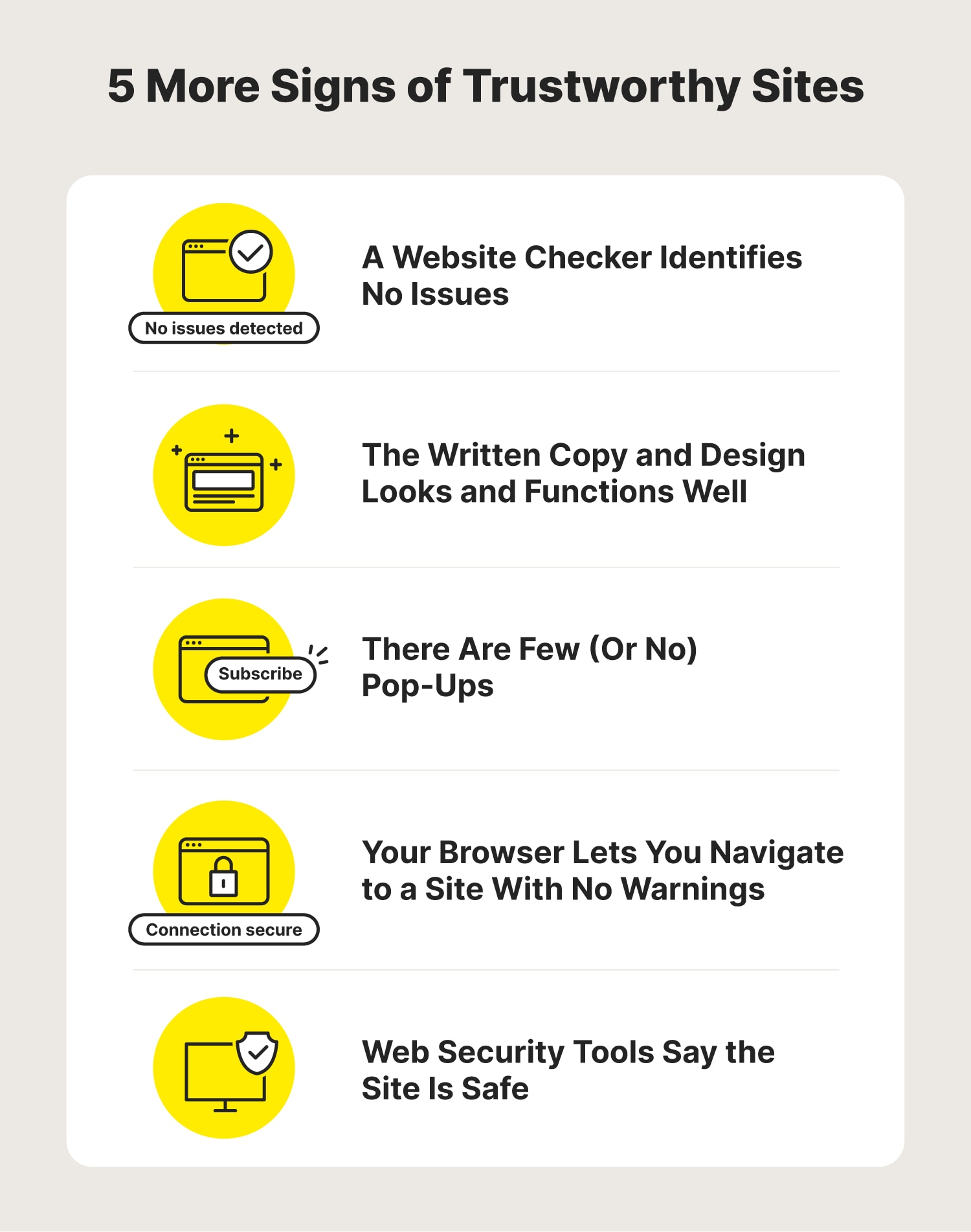
While exploring websites that fall under the “not on” category, it is vital to consider several factors to ensure a safe online experience:
- Legitimacy: Verify the authenticity of each site. For gambling sites, check for licenses and regulatory compliance.
- Security: Ensure that the website employs proper security measures, such as SSL encryption, to protect user data.
- User Reviews: Look for feedback from other users to gauge the site’s reliability and service quality.
- Data Privacy: Understand the site’s data handling practices, especially how user information is collected and used.
- Payment Methods: Familiarize yourself with the site’s payment options and ensure they are secure.
The Role of Advocacy in Online Access
As more users become aware of the existence and options available through “not on” sites, advocacy for s
afe access to such platforms becomes essential. Organizations and individuals work to ensure that users can access diverse services while being informed of their rights and potential risks.
Conclusion
In conclusion, navigating the world of “not on” sites opens up a myriad of opportunities and experiences that are often overlooked. From non GamStop casinos providing unique gaming options to niche forums and hidden online communities, understanding the value, risks, and legality of these sites is fundamental for users. As the digital landscape continues to evolve, so too does the necessity for informed and responsible online engagement. Embracing this complexity can lead to a richer, more diverse online experience.